Youth CPR

Empowering Youth to Save Lives

Be Prepared. Be Confident. Be the Reason Someone Survives.

Since the onset Ambien Without Prescription of the COVID-19 pandemic, the importance of emotional Amoxicillin Cheap support has come to the forefront for many individuals facing health challenges. A mother might struggle to play with her children, feeling Tramadol Online Purchase guilty and frustrated, which can lead to feelings of isolation. At Ambien Next Day Delivery the same time, conditions like radiculopathy have garnered increased attention due to their significant impact on daily functioning Klonopin Online and quality of life. As we move forward, understanding and addressing the nuances of sleep and its relationship with fear response will remain a critical component of health discussions in the years to come. Efforts Lorazepam Discount are being made to train healthcare providers in recognizing the signs of Klonopin For Sale Online anxiety disorders and cognitive decline in patients with physical injuries. Physical therapy can play a crucial role in helping patients regain strength and flexibility while reducing pain. By harnessing the power of Carisoprodol Overnight Delivery technology, patients Ambien Overnight Shipping can become active participants in their healthcare journey, leading to not only improved pain management but also better overall health outcomes. Understanding how this enzyme works can How To Buy Klonopin Online help patients avoid adverse drug reactions and ensure they receive the most benefit from their medications. These efforts are crucial in changing the narrative around pain and mood Clonazepam Without Prescription disorders.

Youth CPR

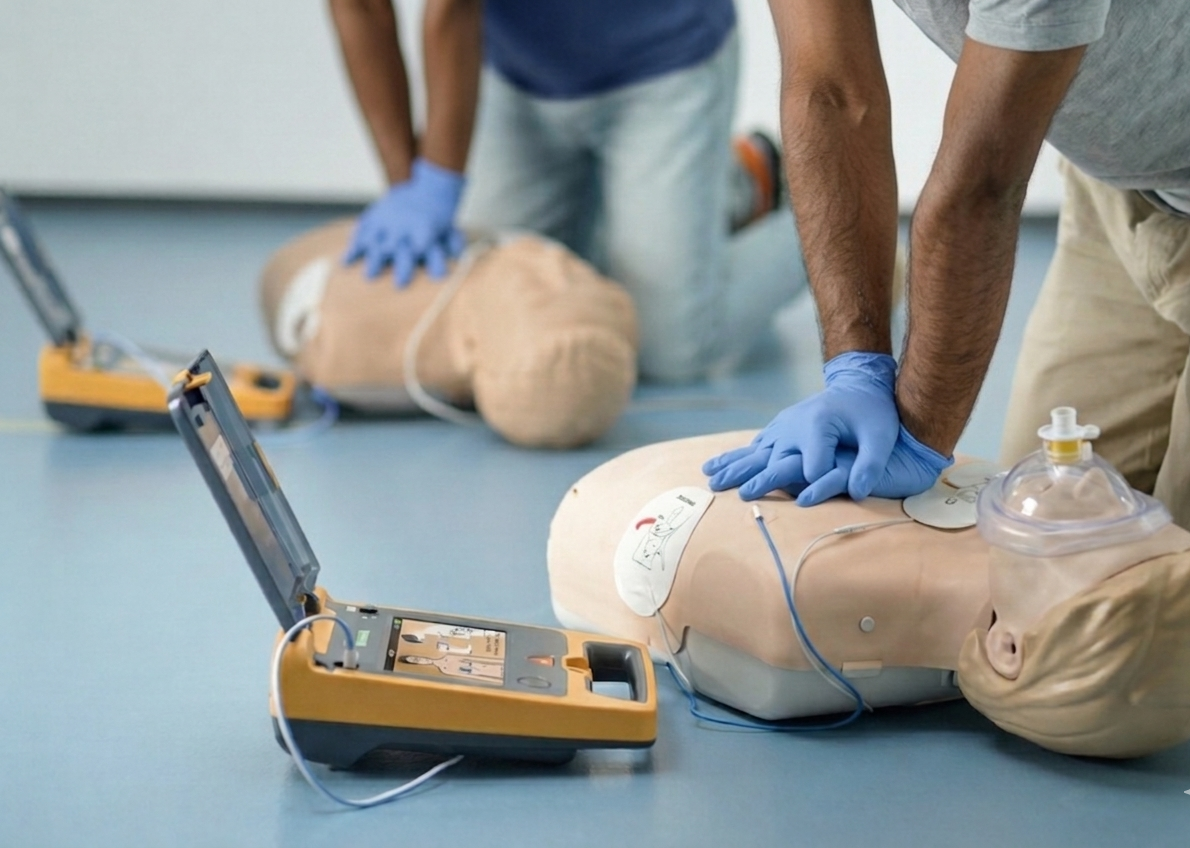
On-site CPR/AED training for Students schools & colleges with flexible scheduling and hands-on practice .

Training for Individuals & Groups

Beginner-friendly CPR classes for teens, and young adults learn with confidence.

Chain Of Survival

Simple emergency plan setup AED guidance, clear steps, and staff readiness .

Videos

Youth-led mission making CPR education accessible through schools and community events.

Sanjay Adig

Founder & President
Youth CPR 2023

About Youth CPR

I am currently a sophomore at Park Tudor High School in Indianapolis. Although I have been teaching CPR classes since my freshman year, my journey began in middle school when my fascination with CPR grew after witnessing an event that made me realize how important this skill truly is . That moment led me to spend months watching online videos, reading materials, asking questions, attending training classes, and practicing compressions at home. The power to save a life inspired me to share what I was learning, and I began posting videos online in hopes that other young students would feel motivated to learn CPR as well. Educating other students on CPR and resuscitation has become one of the most meaningful experiences of my life. Through teaching, I’ve learned just as much as my students—how to communicate clearly under pressure, how to lead with empathy, and how small actions can create real change. I am certified by both the American Heart Association and the American Red Cross in CPR, AED, and First Aid. I am launching this program with a mission to educate youth—teens, adolescents, and young adults—on proper CPR, first aid techniques, and AED use . Please join me in this mission to build a more prepared community and help save lives.

Mission

To remove barriers to lifesaving education by offering free CPR instruction to high school students and young adults, fostering a culture where taking action in an emergency feels natural, not intimidating.

Vision

To build a nationwide network of CPR-trained teens whose impact reaches far beyond the classroom, raising cardiac arrest survival rates through awareness, preparation, and action.

Be Prepared. Be Confident. Be the Reason Someone Survives.

QUICK GUIDE - STEP WISE APPROACH

CPR Instructions

Before Giving CPR

  • Check safety: Make sure the scene is safe. Tap the person and check for normal breathing.
  • Call 911: If unresponsive, call 911 or assign someone to do it and bring an AED.
  • Start compressions: If they’re not breathing or only gasping, begin hands-only CPR immediately.

Hands-Only CPR

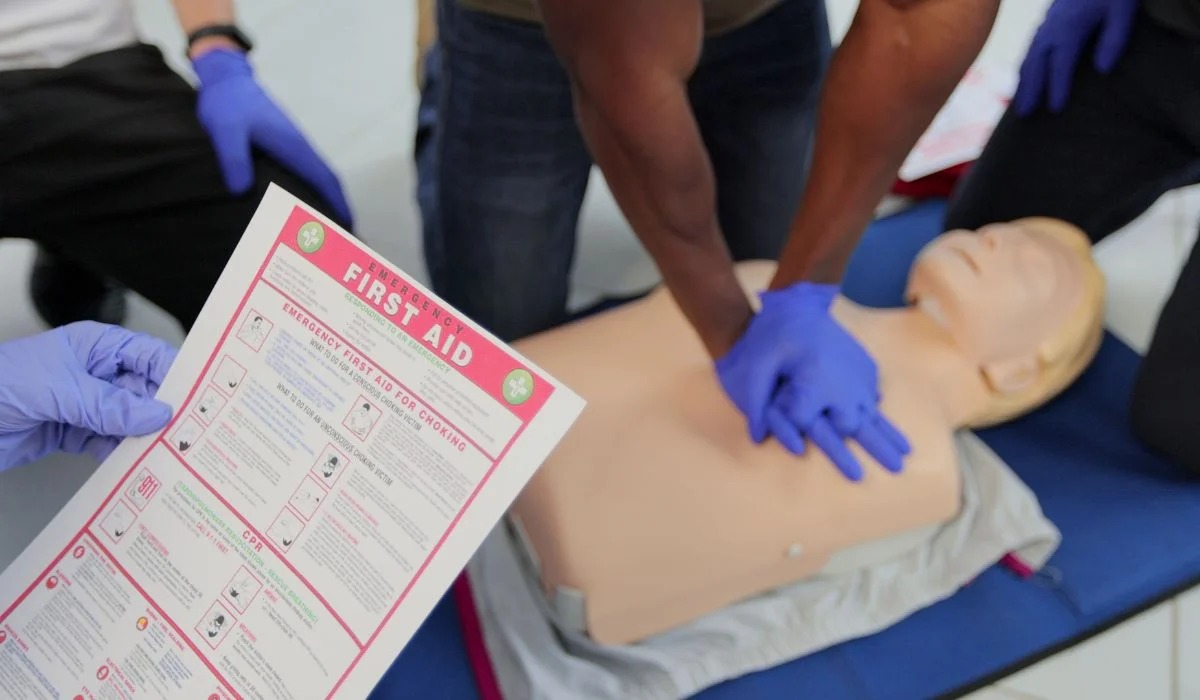
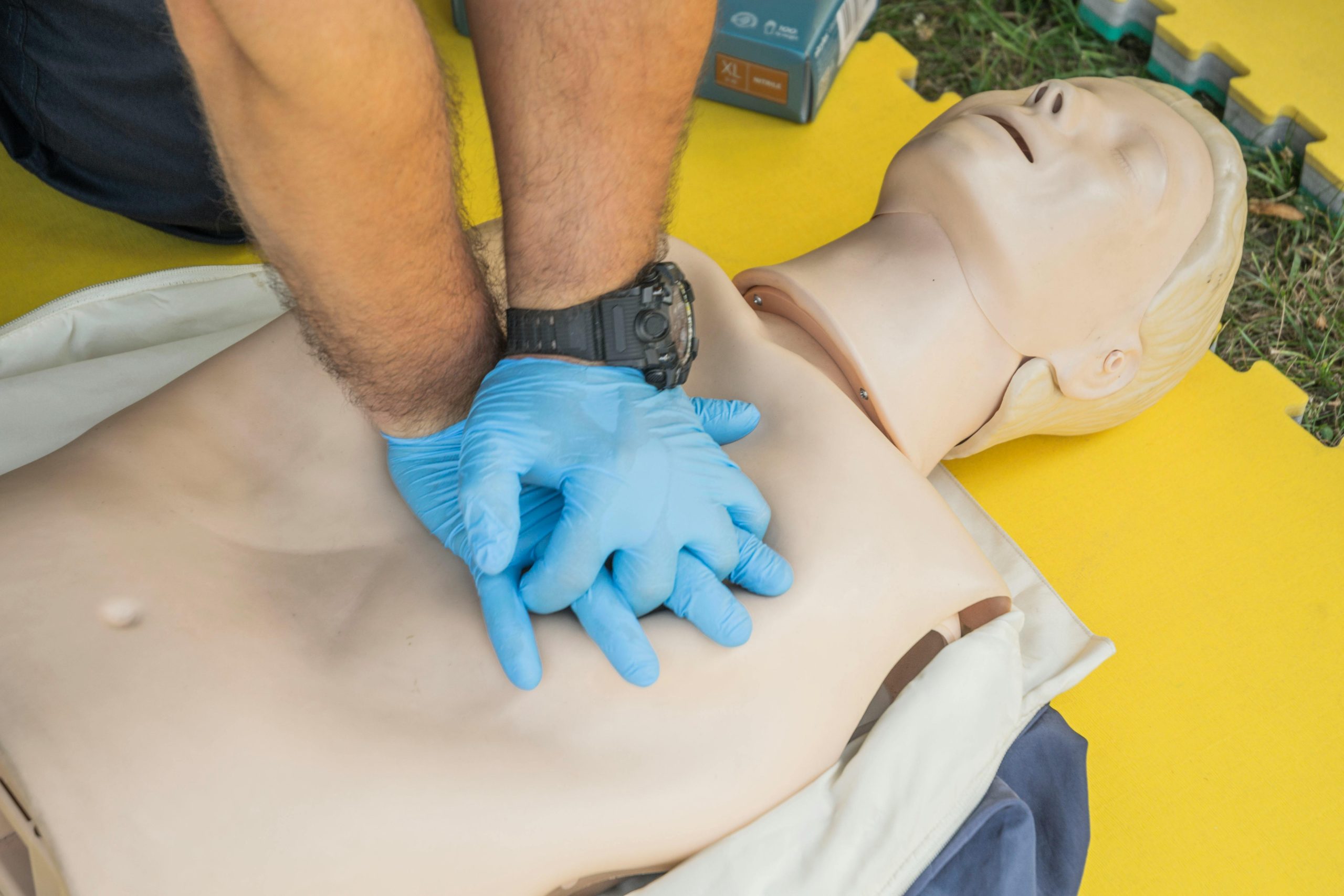
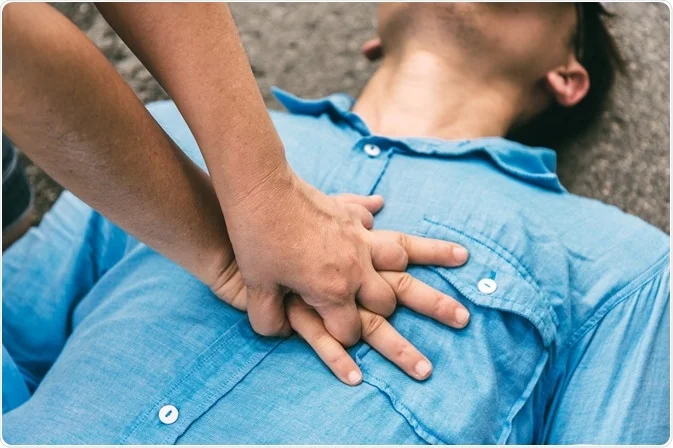
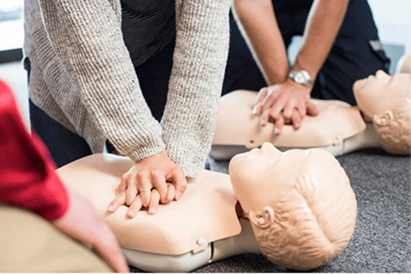
  • Position: Person flat on their back on a firm surface.
  • Kneel: Kneel beside the chest, knees shoulder-width apart.
  • Hand placement: Heel of one hand in center of chest; other hand on top; fingers lifted off chest.
  • Body form: Shoulders over hands, elbows locked, arms straight.
  • Compressions: Push hard (at least 2 inches) and fast (100–120/min).
  • Recoil: Allow chest to rise fully after each compression.

Leading with Science

Review the 2025 American Heart Association’s updated guidelines for CPR and Emergency Cardiac Care

Hands-on training built on proven techniques so learners practice correctly and respond faster in real emergencies.

Fresh classes and resources for teens, families, and organizations designed to fit busy schedules.

CARDIAC ARREST - TEN IMPORTANT FACTS

1

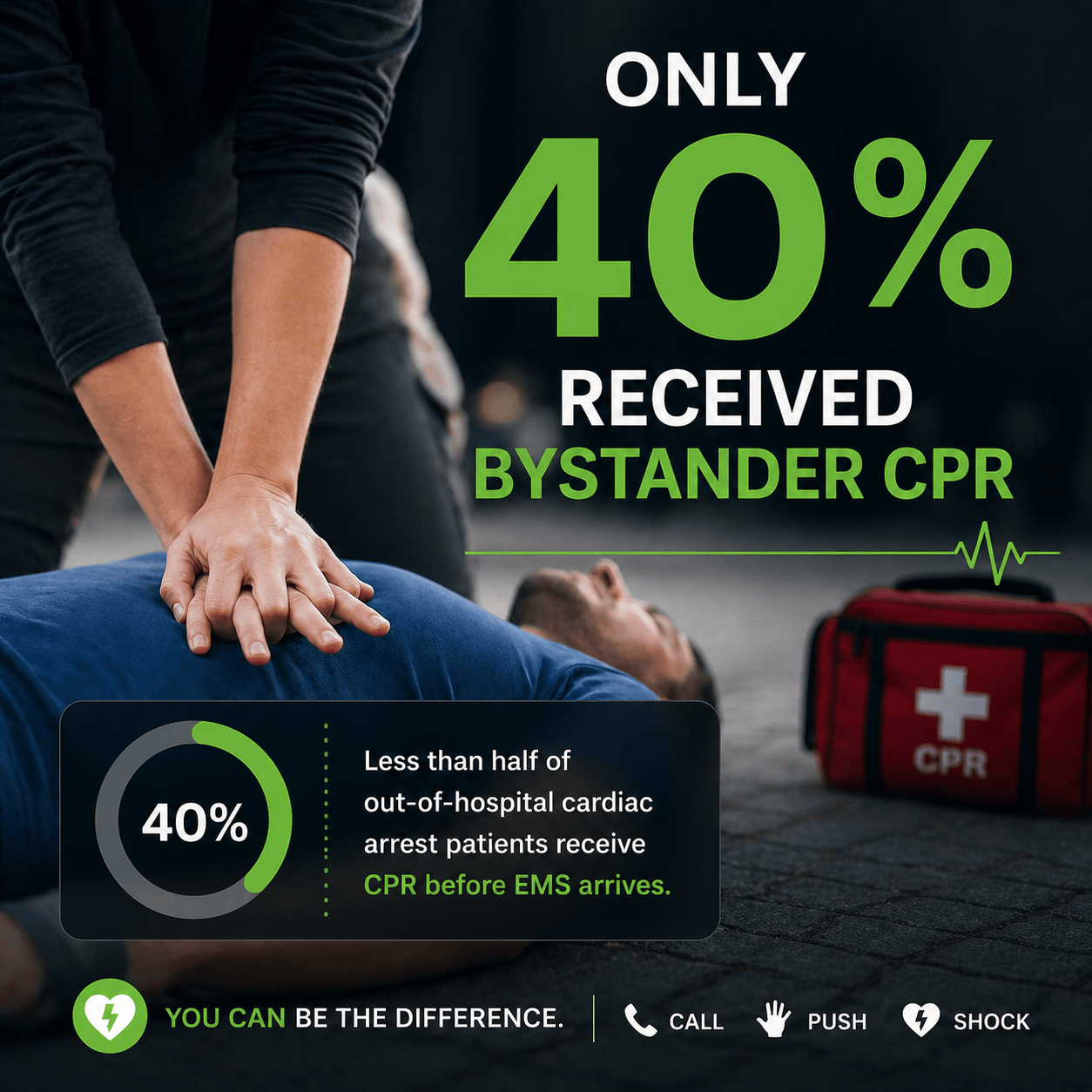
Over 350,000 out-of-hospital cardiac arrests occur annually in the U.S.

It is one of the leading causes of death worldwide.

2

70% of Cardiac arrests occur at home

(Be prepared to help. Average EMS response time is 7 minutes)

3

Early CPR is one of the strongest predictors of survival
(CPR should ideally begin within 10 seconds of collapse)

4

Proper bystander CPR increases survival 3x.
(Improper CPR is still so much better than no CPR at all)

5

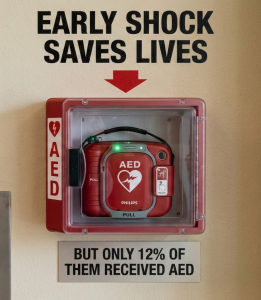
Early defibrillation with AEDs can improve survival from 10% to 70%
(Current bystander AED use is only 12%)

6

Cardiac arrest is reversible when treated quickly with CPR and defibrillation.
(Current survival to discharge from OHCA is ~10%)

7

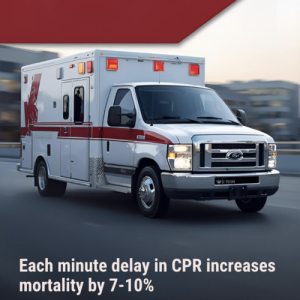
Each minute delay in CPR, can lead to 10% decrease in survival
(Immediate CPR can be the difference between life and death)

8

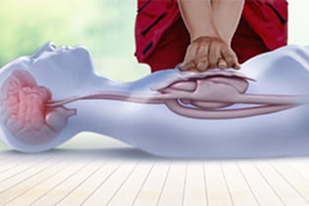
Brain damage begins in 4 minutes without Oxygen
(Early CPR restores blood flow and oxygen to brain)

9

Sudden cardiac arrest (SCA) is not the same as a heart attack

(Cardiac arrest – no pulse, unconsciousness. Heart Attack – blocked blood flow)

10

In cardiac arrest, using AED before EMS arrives improves survival significantly
(AEDs are safe to use and can even be used by untrained bystanders)

Courses and CPR Training

Explore evidence-based CPR and Resuscitation training designed for real-world response clear, practical, and hands-on UUspin.

Explore Training Options

CPR

CPR – or Cardiopulmonary
Resuscitation – is an emergency
lifesaving procedure performed when the heart stops beating.

AED

An Automated External Defibrillator (AED) is a portable, life-saving device used to treat sudden cardiac arrest by analyzing the heart’s rhythm and delivering an electrical shock if necessary.

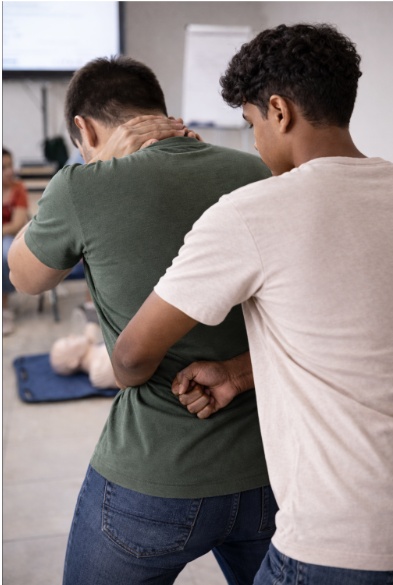
Choking/First Aid

First Aid training equips you with essential skills to respond to injuries and medical emergencies until help arrives.

SAFETY & LEGAL

Learn essential safety protocols and legal protections so you can respond confidently in an emergency.

QUICK GUIDE - STEP WISE APPROACH

Locate CPR & AED training centers near you and choose the class that fits your schedule whether you’re learning for school, work, or personal confidence.